
Cicada Variant BA.3.2-(2026): A new COVID variant, BA.3.2, has been detected in the United States, however, experts advise against panicking, recommending instead that people exercise caution.
According to the Centers for Disease Control and Prevention cicada variant, BA.3.2 is a sub-variant of the Omicron strain of COVID-19 that features not just one or two, but dozens of new mutations. In addition to 29 U.S. states, the BA.3.2 Omicron sub-variant has also been detected in Puerto Rico. However, experts state that while there is currently no evidence to suggest it is more dangerous than previous variants, the possibility remains.
A Stanford professor and infectious disease specialist, who authored a systematic review of COVID-19 for the New England Journal of Medicine, states that there is no need to panic instead, they advise taking precautions to protect against BA.3.2.
He stated that the WHO has not placed BA.3.2 in the category of high-risk variants instead, it has classified BA.3.2 separately for surveillance purposes.
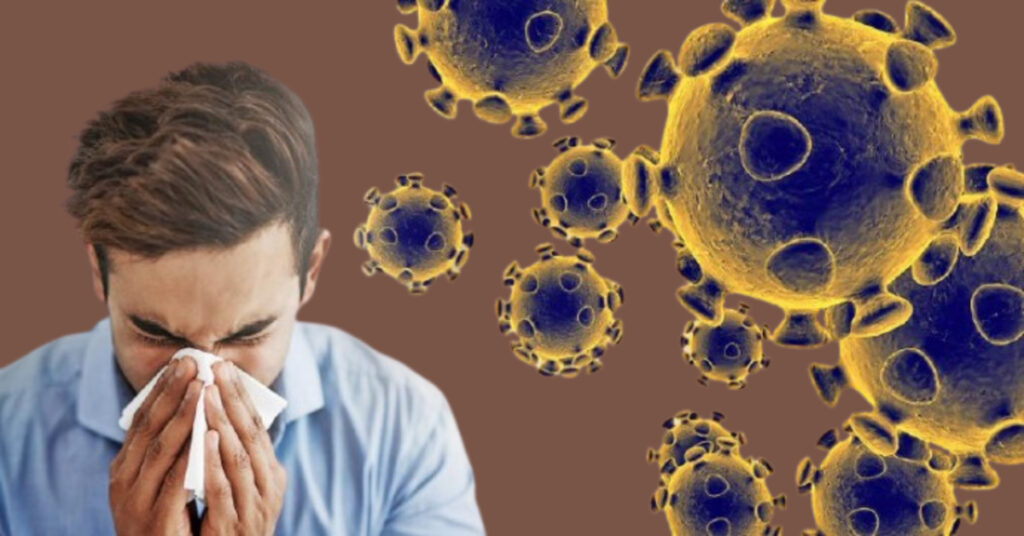
The WHO recommends wearing masks and ensuring better ventilation in addition to maintaining vigilance in high-risk environments, in order to prevent pandemic infections such as COVID-19.
Scott stated that in parts of Europe, this rose to account for a significant proportion of sequenced cases.
In the United States, the percentage of BA.3.2 among currently analyzed COVID-19 variants remains low however, no clear indications of adverse outcomes have been observed. Its symptoms are somewhat similar to those of other COVID-19 variants.
Veldhoven and Scott hope that the current vaccines are working as expected against the new variants, although it is possible that this mutation will play a role in how the vaccines are updated next year.
What impact will the BA.3.2 virus have on children?
- There is a higher likelihood of infection spreading among children furthermore, this will have a profound impact on their immunity.
- Children with this infection may experience mild difficulty breathing additionally, they may feel lethargic, suffer from a sore throat or throat pain and develop a mild fever.
- In most children, the effects of such viruses appear mild however, if a child develops symptoms such as high fever, weakness, coughing, or a cold, contact a doctor immediately.
What will be the impact of the BA.3.2 virus on young adults?
- BA.3.2 infections have also been observed among young adults, though the incidence is somewhat lower than in children. In young adults, symptoms include mild fever, fatigue, and a cough or sore throat.
- Additionally, this infection causes digestive issues such as vomiting, diarrhea, or abdominal pain as well as psychological effects, including stress, anxiety, or a lack of concentration; it also leads to prolonged weakness and difficulty breathing.
- It could impact the immunity of young adults, although symptoms are being observed less frequently in most young people.

Symptoms
- In this infection, the fever is not very high nevertheless, it feels like a mild fever.
- In this infection, children experience excessive fatigue, lethargy, and weakness, along with a general sensation of physical exhaustion.
- Symptoms associated with a cold and cough such as a runny nose or a mild cough is accompanied by issues like a scratchy throat.
- Due to this infection, in addition to headaches and body aches, pain in the body’s joints and muscles may become severe.
Caution
- Isolation: If a child feels unwell, do not send them to school instead, take them to a hospital for a check-up to minimize the risk of infection.
- To protect children from dehydration, encourage them to drink plenty of water this will help maintain their physical health and safeguard the against this infection.
- In the case of such infections, pay extra attention to hygiene for instance, cultivate the habit of washing your hands frequently, as this significantly reduces the risk of infection.
- Include Vitamin C rich fruits and nutritious foods in your diet to protect yourself from infections.
- If you experience this symptom for more than three to four days, be sure to get a COVID test.
- Consult a doctor if the fever exceeds 100.4°F. if the child experiences difficulty breathing, immediately contact the nearest hospital.
Conclusion
However, experts believe that rather than panicking over this infection, remaining vigilant is the best defense.
Also Read:eye drops recalled